

How to Reach 30g of Daily Fiber for Gut-Metabolic Health

How to Reach 30g of Daily Fiber for Gut-Metabolic Health

In the world of nutrition, “fiber” often suffers from an image problem. It is frequently associated with bland bran cereals and digestive regularity for the elderly. However, modern nutritional science has rebranded fiber as a metabolic powerhouse. Reaching the recommended threshold of 30g per day is not just about “keeping things moving”—it is a fundamental requirement for stabilizing blood sugar, lowering systemic inflammation, and nourishing a microbiome that dictates your metabolic rate.

Despite these benefits, the average adult consumes only about 15g of fiber daily. Closing this “fiber gap” is one of the most effective ways to transform your long-term health.

The Science of 30g: Why the Number Matters

Why 30 grams? While various health organizations offer slightly different ranges, 30g represents a tipping point where we see significant improvements in gut-metabolic health.

The SCFA Connection

When you consume fermentable fiber, it passes undigested through the small intestine and arrives …

How to Reach 30g of Daily Fiber for Gut-Metabolic Health Read More

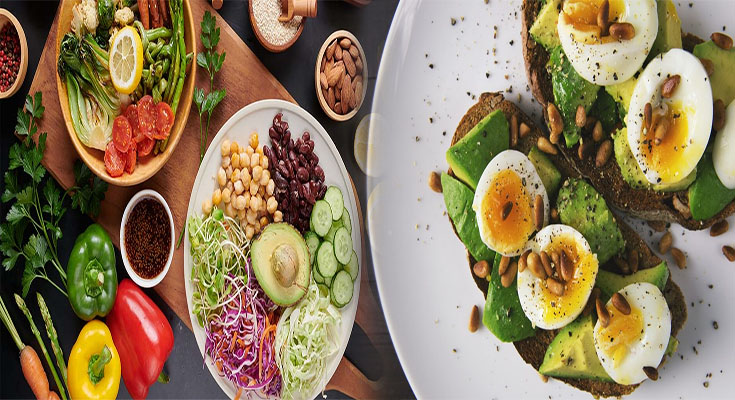
Nutrition Tips for Maintaining a Balanced Diet and Weight

Nutrition Tips for Maintaining a Balanced Diet and Weight

Maintaining a balanced diet is essential for overall health and well-being. A well-rounded nutrition plan not only helps in managing weight but also provides the body with the necessary nutrients to function optimally. However, with countless fad diets and conflicting information, it can be challenging to navigate the world of nutrition. Here are some nutrition tips to help you maintain a balanced diet and manage your weight effectively:

1. Fill Your Plate with Nutrient-Dense Foods:

Focus on incorporating nutrient-dense foods into your meals, such as fruits, vegetables, whole grains, lean proteins, and healthy fats. These foods are rich in essential vitamins, minerals, and antioxidants, providing your body with the required nutrients while keeping you full and satisfied.

2. Practice Portion Control:

Pay attention to portion sizes to avoid overeating. Use smaller plates, bowls, and utensils to help control portion sizes and prevent mindless eating. Be mindful of serving sizes recommended …

Nutrition Tips for Maintaining a Balanced Diet and Weight Read More
Incorporating Superfoods into Your Daily Diet: A Beginner's Guide

Incorporating Superfoods into Your Daily Diet: A Beginner’s Guide

Superfoods have gained popularity for their exceptional nutritional benefits and potential to promote overall well-being. Including these nutrient-dense foods in your daily diet can have a profound impact on your health, from boosting immunity to aiding in weight management. This article will provide a beginner’s guide on how to easily and effectively incorporate superfoods into your daily eating routine, allowing you to reap the full spectrum of their health-boosting properties.

Understanding Superfoods

Superfoods are a diverse group of natural foods that are densely packed with essential nutrients, vitamins, minerals, and antioxidants. They are known for their ability to contribute to a balanced diet, support optimal health, and reduce the risk of chronic diseases. Common examples of superfoods include berries, leafy greens, nuts, seeds, fatty fish, and whole grains, among others.

Simple Ways to Include Superfoods in Your Diet

  1. Add Berries to Your Breakfast: Incorporate a variety of berries such
Incorporating Superfoods into Your Daily Diet: A Beginner’s Guide Read More

Essential Nutrition Tips for Increasing Energy Levels Naturally

Maintaining high energy levels throughout the day is crucial for productivity, focus, and overall well-being. While reaching for a cup of coffee or an energy drink may provide a temporary boost, incorporating essential nutrition tips into your diet can help increase your energy levels naturally and sustainably. Here are some key dietary recommendations to boost your energy levels without relying on stimulants:

1. Eat a Balanced Diet

Consuming a balanced diet that includes a mix of macronutrients (carbohydrates, proteins, and fats) and micronutrients (vitamins and minerals) is essential for sustained energy levels. Focus on incorporating whole foods such as fruits, vegetables, lean proteins, whole grains, and healthy fats into your meals to provide a steady source of energy throughout the day.

2. Stay Hydrated

Dehydration can lead to fatigue and drain your energy levels. Make sure to drink an adequate amount of water throughout the day to stay hydrated and …

Essential Nutrition Tips for Increasing Energy Levels Naturally Read More
Simple Meal Prep Nutrition Tips for Busy Lifestyles

Simple Meal Prep Nutrition Tips for Busy Lifestyles

In today’s fast-paced world, maintaining a nutritious diet while juggling a busy schedule can be a challenge. However, with the right meal prep strategies, it’s possible to enjoy healthy and delicious meals without spending hours in the kitchen. Here are some simple meal prep nutrition tips for busy lifestyles:

Plan Ahead

One of the keys to successful meal prep is planning. Take some time at the beginning of each week to plan your meals and snacks. This can help you ensure that you have the necessary ingredients on hand and can save you from making last-minute unhealthy choices.

Choose Nutrient-Dense Foods

Focus on incorporating nutrient-dense foods into your meal prep, such as lean proteins, whole grains, fruits, and vegetables. These foods provide essential vitamins, minerals, and fiber, helping to keep you full and energized throughout the day.

Batch Cooking

Consider batch cooking large quantities of food that can be portioned …

Simple Meal Prep Nutrition Tips for Busy Lifestyles Read More