Maintaining stable blood sugar isn’t just for those with diabetes; it’s a cornerstone of sustained energy, mood balance, and long-term health. Unpredictable spikes and crashes can leave us feeling sluggish, irritable, and craving more sugar, creating a cycle that can contribute to insulin resistance, weight gain, and an increased risk of chronic diseases. The good news? Your kitchen pantry holds the power to transform this dynamic.
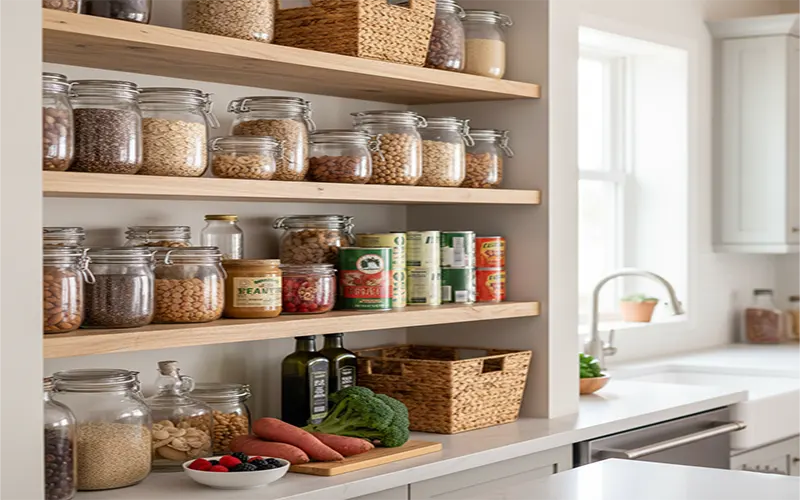
By strategically stocking low-glycemic pantry staples, you can build a resilient foundation for meals that nourish your body without sending your blood glucose on a rollercoaster ride. Let’s unlock the secrets to a blood sugar-friendly pantry, making healthy eating both easy and delicious.
Understanding the Glycemic Index (GI): Your Blood Sugar Compass
Before we dive into specific foods, let’s briefly touch on the Glycemic Index (GI). The GI is a rating system for foods containing carbohydrates. It shows how quickly each food affects your blood sugar (glucose) level when eaten on its own. Foods with a high GI (like white bread or sugary drinks) are rapidly digested and absorbed, causing a quick and significant rise in blood sugar. Foods with a low GI (like most vegetables, legumes, and whole grains) are digested and absorbed more slowly, resulting in a gradual, more stable rise in blood sugar.
Focusing on low-GI foods helps prevent those sharp peaks and valleys, leading to better energy levels, improved satiety, and reduced strain on your body’s insulin response.
The Complex Carbohydrate Core: Fueling Without the Crash
Carbohydrates are our primary energy source, but the type of carb makes all the difference. Low-glycemic complex carbohydrates are rich in fiber, which slows down sugar absorption and keeps you feeling fuller for longer. These should be the foundation of your pantry.
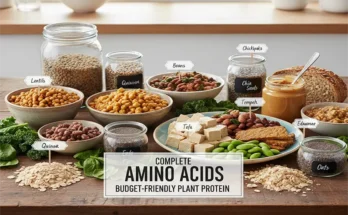
- Legumes (Lentils, Chickpeas, Black Beans): These versatile powerhouses are nutritional superheroes. Packed with protein and an incredible amount of soluble fiber, legumes digest slowly, offering sustained energy. They are incredibly affordable, shelf-stable, and can be used in everything from hearty stews and vibrant salads to homemade hummus. A half-cup serving of cooked lentils, for example, boasts around 8 grams of fiber and 9 grams of protein, making it an excellent blood sugar stabilizer.
- Quinoa: Often mistaken for a grain, quinoa is actually a seed that functions as a whole grain. It’s a complete protein, meaning it contains all nine essential amino acids, making it a fantastic plant-based protein source. Its fiber content contributes to its low-GI status, and it cooks relatively quickly, making it a perfect base for meals or a side dish.
- Steel-Cut Oats: While instant oats can be higher on the GI scale, steel-cut oats are minimally processed, retaining more fiber and a chewier texture. This makes them digest much slower, providing a steady release of energy. They’re a fantastic breakfast option when cooked with water or unsweetened plant milk and topped with nuts or seeds.
Healthy Fats & Seeds: The Blood Sugar Buffers
Don’t fear healthy fats! They play a crucial role in blood sugar stability by slowing down digestion and absorption of carbohydrates, effectively “buffering” the glucose response. They also provide satiety and essential nutrients.
- Chia Seeds: These tiny titans are loaded with soluble fiber and omega-3 fatty acids. When mixed with liquid, they form a gel, which further slows down carbohydrate digestion. Add them to smoothies, yogurt, or make a simple chia pudding for a nutritious, low-GI snack or breakfast.
- Flaxseeds: Similar to chia, flaxseeds are rich in fiber and omega-3s (specifically ALA). For optimal absorption of their nutrients, it’s best to consume them ground. Sprinkle them over oatmeal, salads, or blend them into your morning shake.
- Walnuts & Almonds: These nuts are excellent sources of healthy fats, protein, and fiber. They make for a satisfying, low-GI snack that can curb hunger and prevent post-meal sugar spikes. Always opt for raw or dry-roasted, unsalted versions.
- Nut Butters (Almond, Cashew, Peanut): Look for natural varieties with minimal ingredients – ideally just nuts and perhaps a pinch of salt. The healthy fats and protein in nut butters make them a great spread for low-GI crackers, apple slices, or added to smoothies for creaminess and satiety.
Flours & Thickening Agents: Smarter Swaps
When it comes to baking or thickening, refined white flours can quickly spike blood sugar. Fortunately, there are excellent low-glycemic alternatives that are pantry-friendly.
- Almond Flour: Made from ground almonds, this flour is low in carbohydrates and high in protein and fiber, making it a fantastic gluten-free and low-GI alternative for baking.
- Coconut Flour: Another excellent gluten-free option, coconut flour is exceptionally high in fiber, which dramatically slows down sugar absorption. It’s very absorbent, so recipes often require less of it compared to traditional flours.
Flavor Without Spikes: Enhancing Taste Naturally
Eating blood sugar-friendly doesn’t mean sacrificing flavor. Certain pantry staples can enhance your meals without adding unwanted sugar.
- Apple Cider Vinegar (ACV): Studies suggest that consuming ACV before or with a meal can help reduce post-meal blood sugar spikes by improving insulin sensitivity and slowing gastric emptying. Use it in salad dressings or diluted in water before meals.
- Spices (Cinnamon, Turmeric): Beyond their incredible flavor, many spices offer health benefits. Cinnamon, in particular, has been studied for its potential to improve insulin sensitivity and lower blood sugar levels. Turmeric, with its active compound curcumin, is a powerful anti-inflammatory. Sprinkle cinnamon in your oats, coffee, or smoothies, and use turmeric generously in curries, soups, and roasted vegetables.
- Herbs (Dried): Dried herbs like oregano, basil, thyme, and rosemary add depth of flavor to savory dishes without any glycemic impact.
The “Power Pairing” Strategy: Making it Work
The beauty of a low-glycemic pantry lies in its versatility. By combining different staples, you can create balanced meals that keep your blood sugar steady.
- Savory Oatmeal Bowl: Cook steel-cut oats with vegetable broth instead of water or milk. Top with sautéed mushrooms, a fried egg, a sprinkle of flaxseeds, and a dash of hot sauce. The protein and fats from the egg and seeds, combined with the slow-digesting oats, create a perfectly balanced breakfast.
- Quick Lentil & Quinoa Salad: Combine cooked lentils and quinoa with chopped cucumbers, cherry tomatoes, and a dressing made from olive oil, apple cider vinegar, and dried herbs. This is a fiber and protein powerhouse, perfect for lunch.
- Chia Seed Pudding with Nut Butter: Mix chia seeds with unsweetened almond milk and a touch of cinnamon. Let it sit overnight. In the morning, top with a spoonful of natural almond butter and a few walnuts for a satisfying, low-sugar breakfast or snack.
Cultivating a Low-GI Kitchen
Transforming your pantry into a low-glycemic haven is an investment in your health. It simplifies meal preparation, removes temptation, and empowers you to make choices that support stable blood sugar. By focusing on whole, unprocessed foods rich in fiber, healthy fats, and protein, you’ll not only stabilize your glucose levels but also enjoy sustained energy, improved mood, and a reduced risk of chronic disease.
Start small, making one swap at a time, and soon you’ll find yourself effortlessly creating delicious, blood sugar-friendly meals that truly nourish your body from the inside out. Your future healthy self will thank you.